
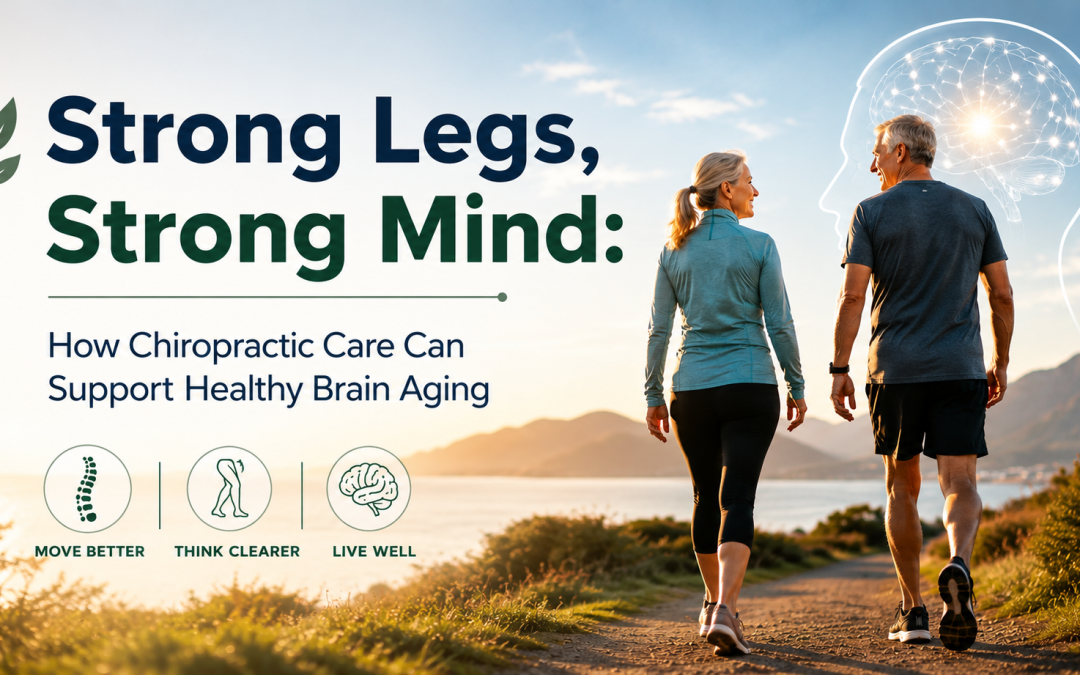
This article will discuss building a stronger mind.
by: Dr. David Futral
As we get older, most people focus on keeping their minds sharp by doing crossword puzzles, Sudokus, reading, or learning new skills. While these types of activities are valuable, research suggests there may be another important way to support brain health that often gets overlooked—building stronger legs.
A fascinating long-term study published in Gerontology followed more than 300 healthy women over a 10-year period. Researchers discovered that women with greater leg power at the beginning of the study experienced less cognitive decline over the next decade. They also showed healthier brain structure on MRI scans years later. Remarkably, these findings remained true even after accounting for genetics, lifestyle, and other health factors.
Why Are Strong Legs Connected to Brain Health?
Your legs contain the largest muscles in your body. Every time you walk, climb stairs, squat, or stand up from a chair, these muscles do much more than move you.
Regular use of your leg muscles helps:
- Increase blood flow to the brain
- Improve cardiovascular health
- Enhance insulin sensitivity
- Reduce inflammation
- Release beneficial proteins called myokines that communicate with the brain
- Maintain balance and independence as you age
Researchers believe these combined effects help protect the brain from age-related decline and support healthy cognitive function over time.
Where Does Chiropractic Care Fit In?
While chiropractic adjustments do not directly increase muscle strength or prevent dementia, they can help remove barriers that might keep people from staying active.
Many adults struggle with:
- Low back pain
- Hip stiffness
- Knee discomfort
- Sciatica
- Balance problems
- Reduced mobility
When movement becomes painful, people naturally become less active. Unfortunately, less activity often leads to weaker muscles, poorer balance, and a gradual decline in overall health.
Chiropractic care focuses on restoring normal joint motion, improving spinal and extremity mobility, reducing pain, and helping the nervous system function more efficiently. When patients move better and hurt less, they are often better able to participate in walking programs, strength training, and other forms of exercise that build leg power.
Building Leg Strength Doesn’t Require Heavy Weightlifting
Improving leg power can begin with simple activities such as:
- Walking regularly
- Chair squats
- Step-ups
- Lunges (as tolerated)
- Resistance band exercises
- Stair climbing
- Balance exercises
- Supervised strength training
Consistency is more important than intensity. Even small improvements in lower-body strength can make everyday activities easier while supporting long-term health.
A Whole-Body Approach to Healthy Aging
At Gwinnett Chiropractic and Laser Center, we believe healthy aging involves much more than treating pain.
Our goal is to help patients:
- Move comfortably
- Improve balance and stability
- Maintain joint mobility
- Stay physically active
- Continue participating in the activities they enjoy
For many patients, chiropractic care becomes one important piece of a larger wellness plan that also includes strength training, proper nutrition, quality sleep, and regular physical activity.
The Bottom Line
The research is clear: stronger legs are associated with healthier brain aging. While no single treatment can prevent cognitive decline, maintaining mobility and staying physically active are among the best investments you can make for your long-term health.
If pain or stiffness has been keeping you from exercising, chiropractic care may help you regain the movement and confidence needed to build strength and stay active for years to come.
Ready to move better and stay stronger?
Schedule an evaluation at Gwinnett Chiropractic and Laser Center. Together, we’ll create a personalized plan to reduce pain, improve mobility, and help you stay active so you can enjoy a healthier body—and support a healthier brain—as you age.
References
Steves CJ, Mehta MA, Jackson SHD, Spector TD. Kicking Back: Cognitive Ageing, Leg Power, and Brain Structure. Gerontology. 2016;62(2):138-149. doi:10.1159/000443789.
Yours in health,
Dr. David Futral